



Iranian Retaliation Strikes Gulf Energy Assets Following South Pars Attack
Edited by: max one
Renewed military actions attributed to Iran against critical energy infrastructure across the Persian Gulf region on Thursday, March 19, 2026, precipitated a sharp escalation in international oil and gas benchmarks. This kinetic response from Iran followed an earlier Israeli strike on the South Pars gas field, marking a significant turn in the ongoing conflict, which had begun on February 28, 2026. The attacks specifically impacted energy assets in Qatar, Saudi Arabia, the United Arab Emirates (UAE), and Kuwait, immediately signaling severe supply chain instability to global markets.
The International Energy Agency (IEA) characterized the situation, which included the closure of the Strait of Hormuz, as the "greatest global energy security challenge in history." Specific targets of the retaliatory strikes included Qatar's Ras Laffan Industrial City, which hosts a preeminent liquefied natural gas (LNG) export facility supplying approximately 20% of global LNG consumption. Reports indicated damage to this facility, with QatarEnergy stating the strike reduced processing capacity by about 17% and could result in a potential $20 billion annual revenue cut, with full operational status potentially requiring three to five years for restoration. Furthermore, a drone impact struck the Samref refinery in Yanbu, Saudi Arabia, while the UAE shuttered gas facilities due to falling missile debris, and two refineries in Kuwait sustained fires.
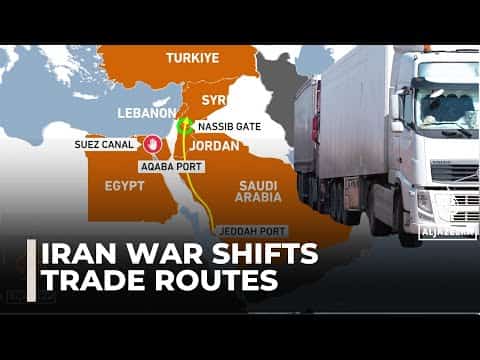
These targeted assaults on production and processing centers amplified market fears of a prolonged energy crisis, shifting the conflict's focus toward direct economic confrontation. In response, the market reacted immediately: Brent crude surpassed the $114 per barrel mark, specifically trading at $114.87 on March 19, 2026, while European natural gas benchmarks, such as the TTF, experienced increases of up to 24%. This volatility is compounded by the continuing blockage of the Strait of Hormuz, a vital artery through which roughly one-fifth of the world's oil is transported, forcing producers to suspend shipments and leading to high freight rates.
The geopolitical maneuvering surrounding the crisis involved direct statements from world leaders. U.S. President Donald Trump issued warnings, clarifying that the United States did not participate in the initial Israeli strike on the South Pars field. President Trump subsequently threatened to "massively destroy the entirety" of the South Pars gas field if Iran proceeded to attack Qatar's LNG facilities, while also reportedly assuring Israel that further strikes on that specific Iranian asset would not occur. In a diplomatic pivot announced on March 23, President Trump later postponed planned military strikes against Iranian power facilities following what he termed "good and productive conversations" with an Iranian leader, though Tehran publicly denied direct negotiations.
The Federal Reserve maintained its restrictive monetary stance, citing inflationary uncertainty driven by the energy market turmoil. The situation underscores the high stakes, where kinetic military action directly translates into immediate, measurable economic consequences for consumers globally, affecting everything from fuel costs to food commodity prices.
6 Views
Sources
Clarin
The Objective
Infobae
Primicias
N+
EL PAÍS
Read more articles on this topic:

Did you find an error or inaccuracy?We will consider your comments as soon as possible.